How to time a flight for peak flower color on a target invasive species
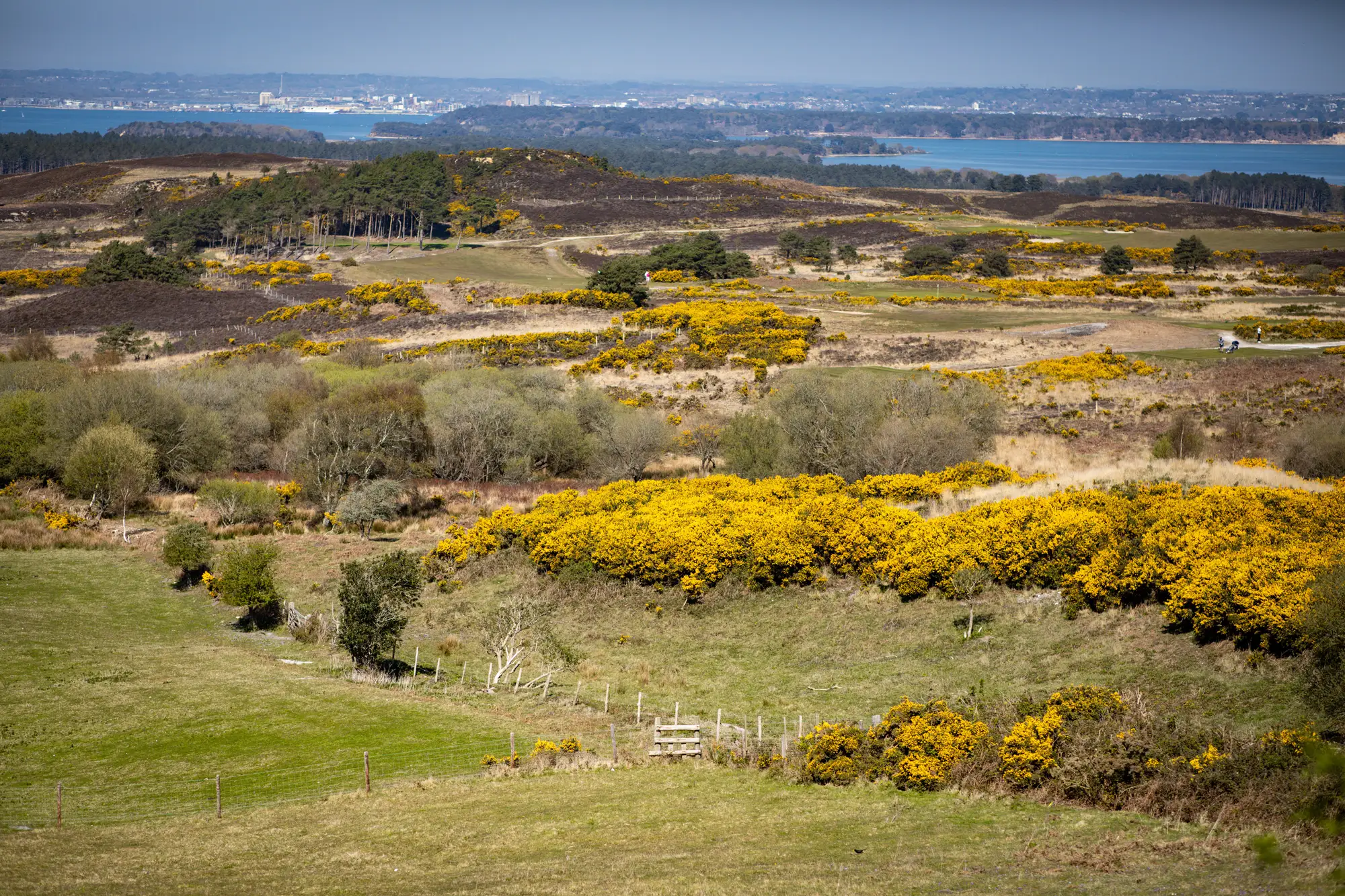
Spotted knapweed turns a hillside lavender-pink for maybe three weeks most years. Cross that unit with a flight two weeks early and you get green grass. Two weeks late and the flowers have already dropped, and you're back to looking for a plant that looks like every other roadside forb around it. The flight window is the whole game. Miss it and no amount of spectral resolution saves the pass.
Why the bloom window is so narrow
Flower color is one of the few things that reliably separates a target invader from the native vegetation around it, and it only exists for a slice of the season. Outside bloom, a lot of invasive forbs sit in the spectral noise with everything else green on the hillside. Inside bloom, a species like yellow starthistle or Dalmatian toadflax puts up a yellow signature that stands well apart from surrounding grasses and shrubs, and that's the window a hyperspectral pass needs to catch.
Bloom timing tracks the season that already happened, shaped by how wet the spring was and how hot the early summer ran. A wet spring pushes flowering later. A hot, dry one can compress the whole bloom period into ten days instead of three weeks. Elevation and aspect split a single unit into multiple bloom windows at once, with south-facing slopes popping two weeks ahead of the shaded draws below them. Scotch broom on a coastal unit and Scotch broom on an inland unit forty miles away are rarely on the same schedule, even in the same year.
Building a flight window from degree-days, not a calendar
Agencies that get this right track growing degree-days for the target species, the same way a grower watches for first bloom on an orchard crop, instead of planning off last year's flight date. Pair that with a scout or two walking the unit every few days once the plant starts budding, checking stage against a reference photo. The combination of degree-day accumulation and a boots-on-the-ground check on bud-to-bloom progress narrows the flight window to three to five days, tracked week by week as the season unfolds.
For a species with a short, synchronous bloom, like purple loosestrife along a riparian corridor, that window might be the only shot of the season. For something with a longer or staggered bloom, like tamarisk, there's more room for error, but the flowering stage still needs to be checked rather than assumed. Schedule the flight off what the plant is actually doing this year, species by species, year by year.
What a missed window costs a control programme
Miss the bloom window and the imagery still gets flown, the data still gets processed, and the output still looks like a map. What it won't do is separate the target species from the background vegetation with any confidence, because the one thing that made it visible has already come and gone. Crews either go back to walking the whole unit on foot, or they work off a map that's wrong in ways nobody finds out until the patch has spread another season.
A crop health flight can slip a week with modest cost. A phenology-driven detection flight that slips past bloom waits a full year to try again, and that asymmetry is why invasive mapping needs a seasonal flight plan more than most remote sensing work does. Build the window around degree-days and ground checks, and treat the scouting report as the trigger for the flight date, holding that date loose until the plant signals it's ready.
If your programme is working through that timing problem unit by unit, a seasonal infestation map built around that bloom window is what the rest of the season gets easier with: crews go to the patches that got flagged, instead of walking ground that's already been cleared or never had the plant to begin with.
Get in touch to talk through the bloom window for the species on your management area.