Field notes
Blog
- 23 Nov 2026
 Spotted knapweed vs diffuse knapweed: telling them apart before you spray
Field marks that separate spotted from diffuse knapweed, and why the two get mixed up on rangeland until you're close enough to check the bracts.
- 23 Nov 2026
 What is a phenological window, and why does it decide when you fly?
A phenological window is the short stretch when an invader looks different from everything around it. Here's how that window drives your flight schedule.
- 16 Nov 2026
 Field notes: the unit we thought we'd cleared, and what came back from the seed bank
A land manager's field notes on reinfestation, seed bank persistence, and why a cleared unit rarely stays cleared for long.
- 16 Nov 2026
 What a cooperative weed management area is, and why it breaks your old mapping habits
CWMAs pool land across ownership lines to fight shared invaders. Here's why that changes how infestations get mapped, scouted, and treated.
- 9 Nov 2026VHR satellite vs aerial hyperspectral survey for invasive plant mapping
How to weigh VHR satellite tasking against an aerial hyperspectral survey when you need a weed map for next season's control crews.
- 9 Nov 2026What a seasonal infestation map is and how crews actually use one
A plain explanation of seasonal infestation maps: what the imagery timing catches, and how control crews use them to skip empty ground.
- 2 Nov 2026Field notes: the fence line where the knapweed crossed first
A field note on why fence lines are where knapweed and other invaders show up first, and why that edge is worth mapping every season.
- 2 Nov 2026
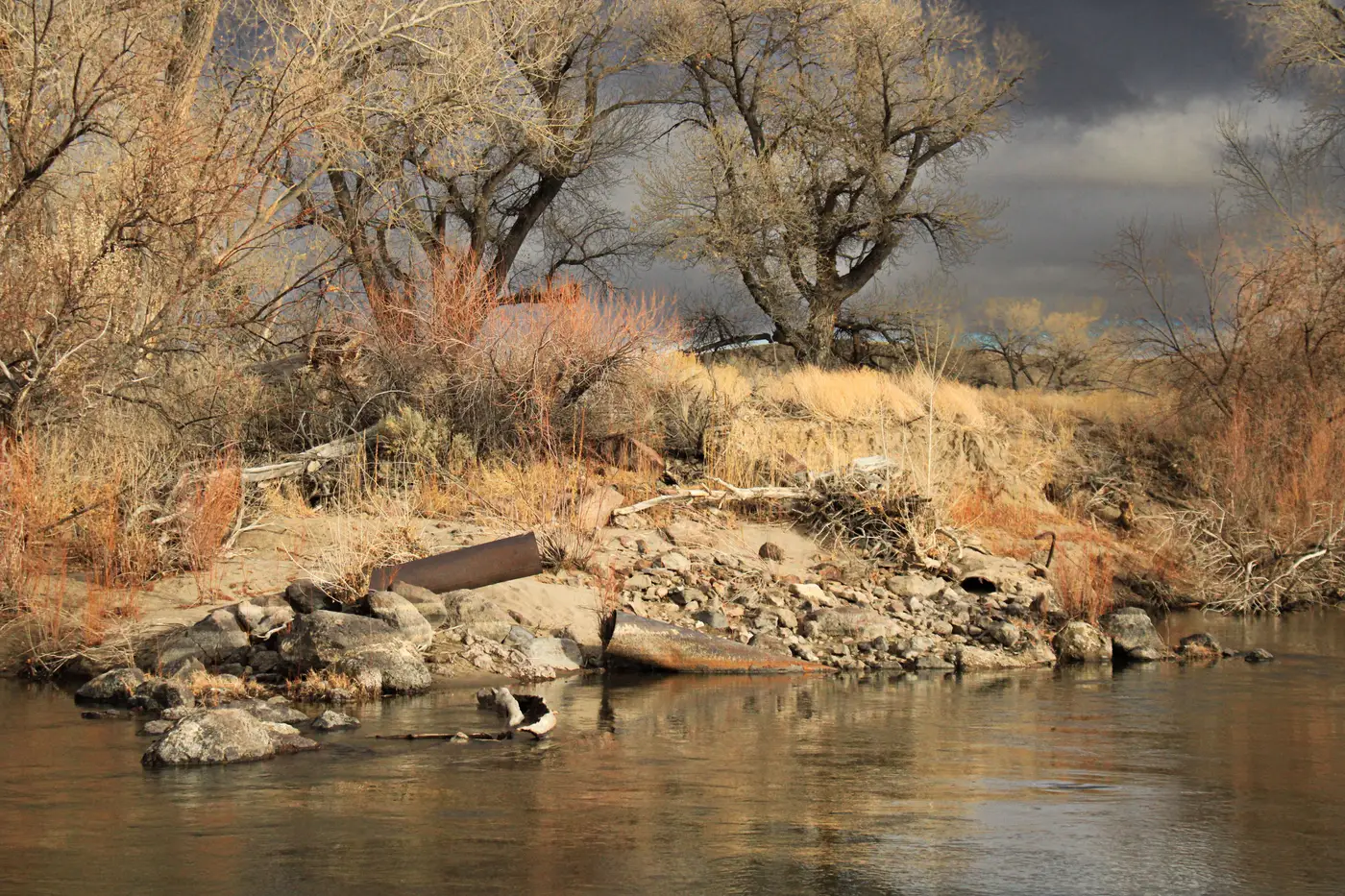 Telling tamarisk from cottonwood in satellite imagery
Tamarisk and cottonwood look alike on summer satellite imagery. Here's why timing the scan to bloom and senescence separates them in the data.
- 26 Oct 2026
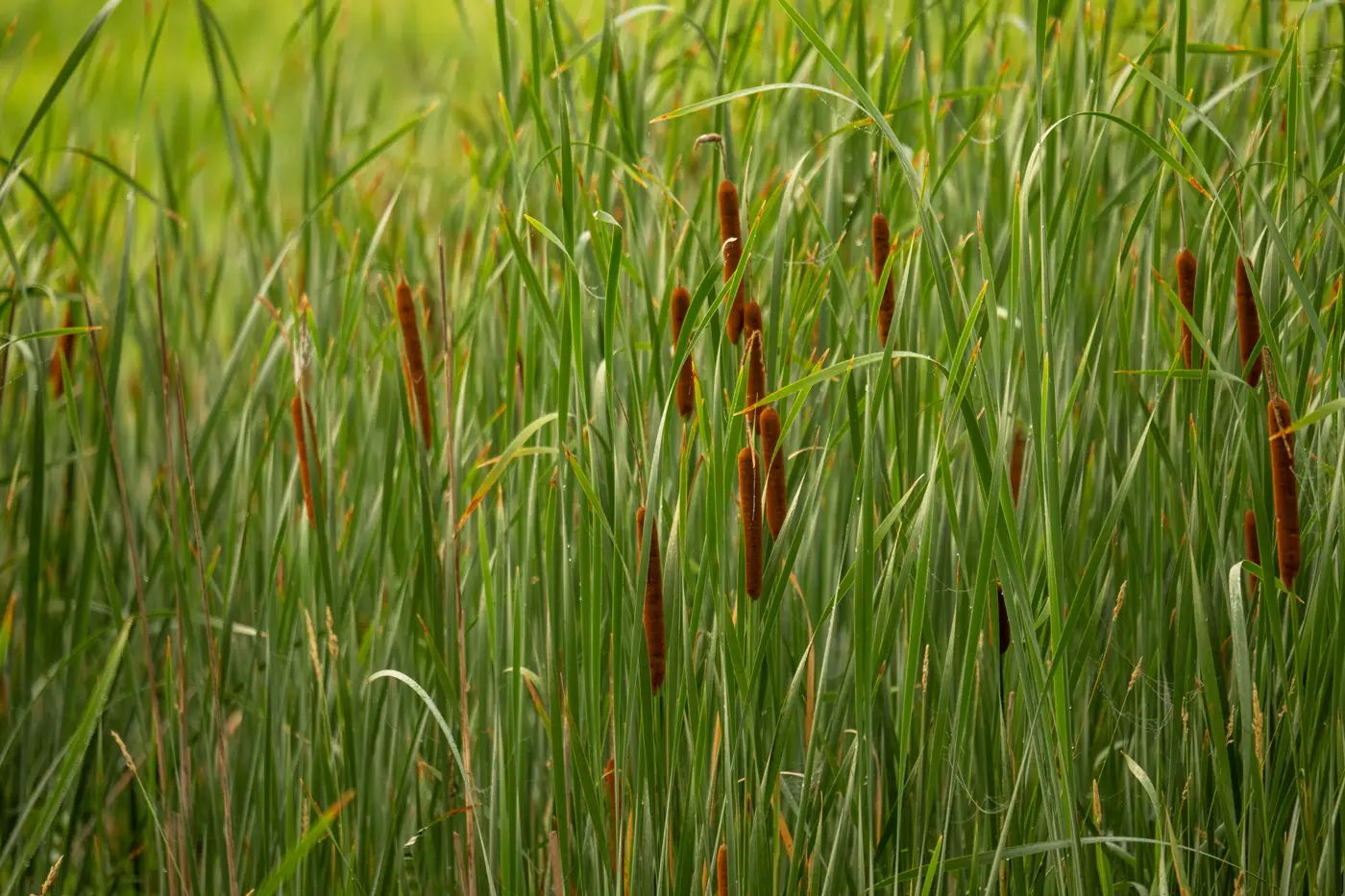 How to tell purple loosestrife from native wetland plants in satellite imagery
Purple loosestrife blooms look like several native wetland plants in satellite imagery. What actually separates them, and when to check.
- 26 Oct 2026
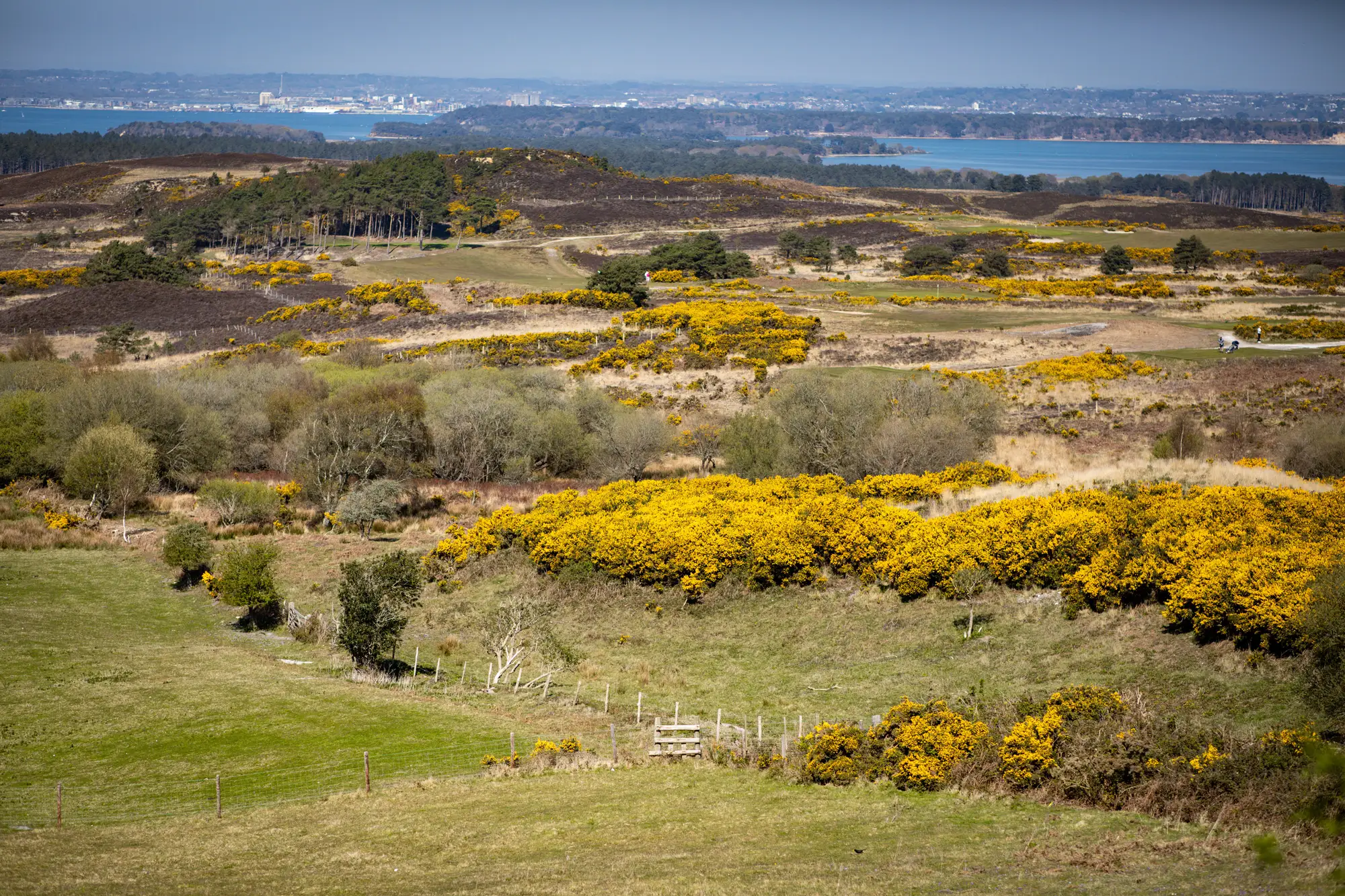 What is a treatment polygon in invasive species control mapping?
A plain-language definition of a treatment polygon, how it differs from a GPS point, and how it turns into a control crew work order.
- 19 Oct 2026The patch the crew walked past three summers running
A field note on how an easy-to-miss knapweed patch survived three control seasons, and what it takes to stop walking past it a fourth time.
- 19 Oct 2026What is a satellite population in invasive species management?
Satellite population, outlier patch, isolated occurrence: what these terms mean and why they change how control crews get prioritized.
- 14 Oct 2026How to budget control crew hours from a seasonal infestation patch count
A patch count turns into a labor budget once you know treatment time per patch, travel between patches, and the species' active window.
- 14 Oct 2026What is spectral separability in invasive species detection?
A plain-language look at spectral separability, how it differs from spectral resolution, and why some invaders stay invisible in imagery most of the year.
- 13 Oct 2026How to time a flight for peak flower color on a target invasive species
Flower color is a narrow seasonal window. Here's how to time a weed-mapping flight to the week a target species blooms.
- 13 Oct 2026Hyperspectral vs multispectral imagery for separating invasive plants from natives
How hyperspectral and multispectral imagery differ for invasive plant mapping, and why band count matters when target species look like natives.
- 7 Oct 2026Best time of year to fly imagery for leafy spurge detection
When leafy spurge bracts turn yellow-green is the window that separates it from everything else in the unit. Here's how to time the flight.
- 7 Oct 2026Cheatgrass vs. native bunchgrass: telling them apart in satellite imagery
How cheatgrass separates from native bunchgrass in satellite imagery, why timing and spectral detail matter more than color alone.
- 7 Oct 2026Ground truthing vs. remote detection: when to send a crew to confirm a weed map
How ground truthing and remote detection work together on a noxious weed survey, and which flagged patches need a crew before treatment.
- 7 Oct 2026What is early detection rapid response (EDRR) in invasive species management?
EDRR explained in plain terms: what counts as early detection, what counts as rapid response, and why the gap between them sinks most programs.