Spotted knapweed vs diffuse knapweed: telling them apart before you spray
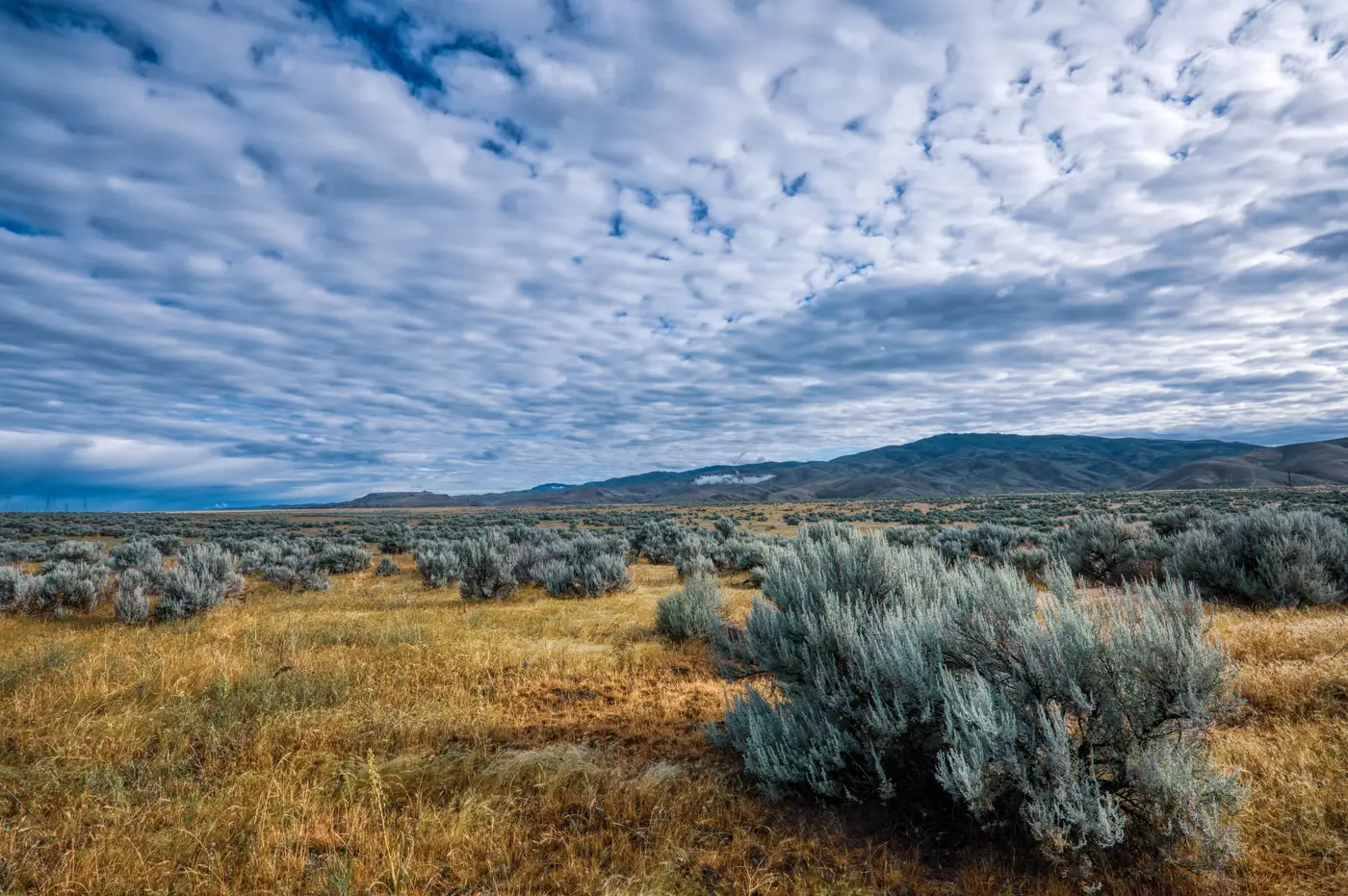
Both species show up on the same disturbed ground, bloom around the same color, and get lumped together as "the purple weed" by anyone who hasn't pulled a bract apart. But a biocontrol weevil released for diffuse knapweed doesn't do much on a spotted stand, and herbicide timing shifts between the two as well. If your crew treats one for the other, you've burned a pass for nothing.
The field marks that separate them
Start with the bracts, because that's the only mark that holds up every time. Spotted knapweed (Centaurea stoebe) has bracts tipped in a dark, almost black fringe, which is where the name comes from. Diffuse knapweed (Centaurea diffusa) has bracts that end in a stiff yellowish spine, sharp enough to feel through a glove if you run a thumb across a dry head.
Growth habit is the second-best cue, and it's the one you can use from a truck window before you ever walk in. Spotted knapweed grows upright, one to three feet, usually with a handful of flowering stems off a single base. Diffuse knapweed branches low and wide, closer to a tumbleweed shape, and whole plants break off and roll once they dry out and set seed, which is part of how it spreads down a fence line or a two-track.
Flower color overlaps enough to be useless on its own. Spotted knapweed runs pink to purple almost without exception. Diffuse knapweed can be pink or purple too, but a fair share of stands come up white or pale cream, which is a tell if you see it but not one you can count on. Bloom timing runs close between the two in most regions, with diffuse often running a little later and holding color longer into late summer, but that window shifts enough by elevation and year that it's a soft clue, not a rule.
Root and basal rosette shape are the last thing worth checking if the bracts are chewed up or weathered. Spotted knapweed rosettes sit flatter and wider at the base going into a stem that's more rigid. Diffuse knapweed rosettes are more deeply lobed and the whole plant feels stiffer and more branched even before bolting.
Where ground ID breaks down at unit scale
None of that helps much when you're looking at two hundred acres of mixed rangeland from the cab of a truck, or when both species have moved into the same drainage and you've got patches of each scattered through cheatgrass and native bunchgrass. Bract color and spine shape are a hand-lens job. That's fine for confirming a patch you've already found. It's not a way to search a whole allotment.
This is the part that eats a field season. A crew walks transects looking for purple, flags everything that fits the general shape, and only sorts spotted from diffuse once they're standing on top of it. Half the flagged patches turn out to be the wrong species for the herbicide loaded on the rig that day, or the wrong species for the biocontrol release planned for that unit. The walking itself isn't the problem. Walking the whole unit just to find out which of the two you've got is the problem.
Where the phenology is distinct enough, the separation can happen at the imagery stage instead of the boot stage. Spotted and diffuse knapweed don't bloom on identical calendars, and their canopy structure reads differently in hyperspectral bands even when the flower color looks the same to the eye. Invasive Mapping reads VHR hyperspectral imagery at the point in the season when a named invader stands out from the surrounding vegetation, and turns that into a seasonal infestation map built around the species you're managing, so crews go straight to mapped patches instead of walking the whole unit to sort spotted from diffuse by hand.
If knapweed is eating your field season one transect at a time, it's worth seeing what a seasonal map for your management area would look like before next year's bloom.